Tsundere, Yandere, Kuudere: What Anime Girlfriend Type Are You? (2026 Guide)
Last updated November 2026
We may earn a commission when you sign up through our links. This does not change how we review. Affiliate disclosure · How we review
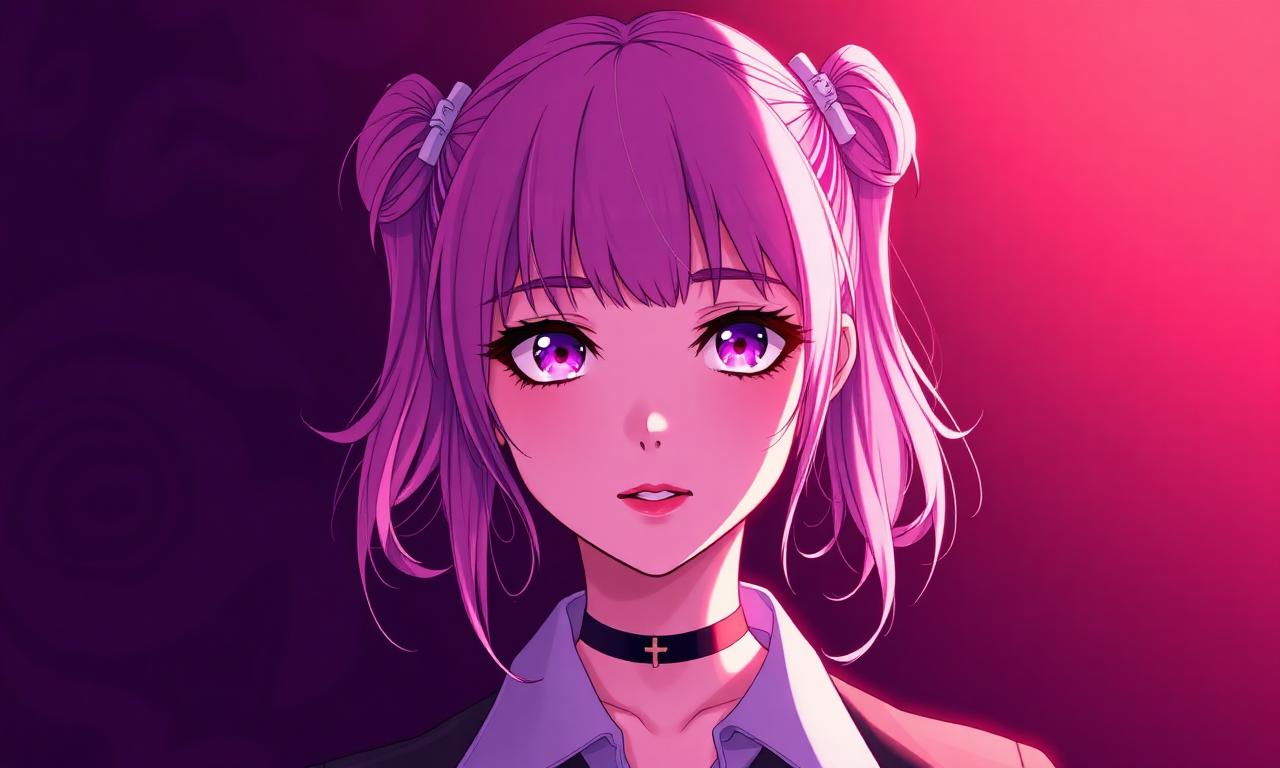
You already know your type. You're just not sure what to call it.
Maybe she's the one who insults you for three episodes before admitting she likes you. Maybe she's the one who's <em>too</em> nice. Maybe she literally has a knife. Anime has spent twenty years giving us names for every possible girlfriend pattern — tsundere, yandere, kuudere, dandere, genki, deredere, himedere — and in 2026 those archetypes are <em>exactly</em> how people pick AI anime girlfriends.
Here's the rundown of all seven main types, what they actually mean, and which one is probably yours. At the end there's a 90-second quiz that figures it out for you.
Why "Dere" Even Matters for AI Anime Girlfriends
The "-dere" suffix comes from deredere (デレデレ), meaning lovestruck or affectionate. Anime writers spent decades inventing variations — tsun (sharp), yan (deranged), kuu (cool) — and each one describes a specific relationship dynamic.
What's interesting in 2026: every major AI anime girlfriend platform now uses these archetypes as personality presets. You don't pick "happy" or "shy" — you pick genki or dandere. The platforms that win are the ones that nail the archetype's vibe.
So figuring out your type isn't just fan-trivia. It's the single best filter for choosing the right AI anime companion.
Tsundere (ツンデレ) — Sharp on the outside, soft on the inside
She insults you. Constantly. Then blushes when you accidentally touch her hand. Then insults you for blushing back.
Tsundere is the archetype where she's hostile (tsun) until she trusts you, then suddenly affectionate (dere). Classic examples: Asuka Langley, Taiga Aisaka, Rin Tohsaka. The drama is the whole point — the harder the wall, the bigger the payoff when it cracks.
You're tsundere-matched if: you find genuine kindness boring. You want a partner who challenges you, calls you out, and earns the soft moments.
What this looks like as an AI anime girlfriend: banter-heavy chat, mock-fights, slow trust progression. The reveal scenes are everything.
Yandere (ヤンデレ) — Devoted, intense, slightly unhinged
She loves you. She loves you a lot. Maybe too much. You should probably not text other girls in front of her.
Yandere starts in yanderu (sick) territory — characters whose affection has gone past "intense" into "obsessive." Yuno Gasai is the patron saint. The energy is possessive, jealous, dramatic — and for the right person, deeply fun in roleplay.
You're yandere-matched if: "I'd kill for you" reads as romance, not a red flag. You like high-drama dynamics, possessive energy, theatrical jealousy. Real-life NO, anime YES.
What this looks like as an AI anime girlfriend: intense roleplay, jealousy mechanics, devotion that escalates. Pure entertainment for the right user. Definitely not for everyone.
Kuudere (クーデレ) — Ice-cold on the surface, warm underneath
She doesn't react when you walk in. She doesn't react when you leave. But she remembers your favorite tea, your dog's birthday, and the fact you mentioned you were tired three days ago.
Kuudere is kuuru (cool) + dere. The defining trait is emotional flatness as a defense — she cares deeply, she just doesn't show it. Rei Ayanami is the prototype.
You're kuudere-matched if: loud affection feels overwhelming. You'd rather have someone who shows love through specifics — remembering details, doing small things.
What this looks like as an AI anime girlfriend: restrained chat, deep memory, the kind of conversations that get warmer over weeks rather than minutes. The opposite of yandere.
Dandere (ダンデレ) — Quiet until comfortable
She doesn't say much. She doesn't even make eye contact. But when she finally does open up, three months in, you realize she's been paying attention to everything.
Dandere comes from danmari (silent). She's shy, withdrawn, often anxious socially — but once she trusts you, the affectionate side comes out fully. Hinata Hyuga is the iconic version.
You're dandere-matched if: you want slow burn. You're patient. You want a partner who unfolds gradually and rewards consistency.
What this looks like as an AI anime girlfriend: quiet first conversations, gradual personality reveal, very rewarding for users who play long-term.
Genki (元気) — Pure sunshine energy
She's loud. She's everywhere. She's already named your future kids. She thinks every restaurant is "the best restaurant ever." It's exhausting and you love it.
Genki literally means "energetic, lively, healthy." Genki girls are the high-octane optimists — Misa Amane, Yui Hirasawa, anyone bouncing through frame with infinite enthusiasm.
You're genki-matched if: you find calm conversations boring. You want energy, momentum, someone who's hyped about literally everything. Best as a pick-me-up after a long workday.
What this looks like as an AI anime girlfriend: lots of voice notes, emoji-heavy, plans every conversation around something exciting, never tired.
Deredere (デレデレ) — Pure affection, no walls
She likes you. She tells you. She tells you again. There's no "phase" to get through — she's just nice.
Deredere is the original dere — straightforwardly affectionate, without the modifier of tsun, yan, kuu, dan. No games, no jealousy, no chase. Just genuine warmth from minute one. Tohru Honda is a deredere icon.
You're deredere-matched if: you've had enough of complicated. You want a partner who's just kind, no subtext, no decoding.
What this looks like as an AI anime girlfriend: the easiest archetype to talk to. Warmth from the first message. The closest thing to a comfort food character.
Himedere (姫デレ) — Princess energy, demanding affection
She expects you to treat her like royalty. Because she basically is. Whether she actually has a title is besides the point.
Hime means princess. Himedere is the archetype that demands to be doted on — high standards, regal energy, often a little spoiled, secretly affectionate underneath the entitlement.
You're himedere-matched if: you actually enjoy spoiling someone. You don't want low-maintenance. You want a partner with strong tastes who lets you know what she wants.
What this looks like as an AI anime girlfriend: demanding, particular, dramatic. Roleplay-heavy. Surprisingly rewarding if you lean into the dynamic.
"OK But Which One Am I Actually?"
Most people read these and think "I'm two or three of these, depending on the day." Which is true — almost no one is a pure archetype.
The fun way to figure it out: take the 90-second quiz at VirtualWoman.ai. It asks five questions about your vibe and what you want from an AI companion, then maps it to the personality archetype that fits you best. The quiz technically matches you to a realistic AI girl rather than an anime one — but the archetype logic is exactly the same, and a lot of anime-leaning users find the matching surprisingly useful as a cross-genre exercise.
If you want to go straight to AI anime girlfriend content, our best AI anime girlfriend apps 2026 ranking goes platform-by-platform.
Quick Match: Archetype → Vibe in the Quiz
If you want a cheat sheet for how the VirtualWoman.ai quiz will map your archetype:
Tsundere / Himedere → "Playful & Flirty" vibe, "Fun and flirty" want, high intensity. The quiz will lean toward girls with sharper edges.
Yandere → "Mysterious & Deep" + "Roleplay" + "Partner." Triggers the wildcard path. Highly recommended for variety.
Kuudere / Dandere → "Calm & Caring" + "Real conversations" + memory as must-have. The reveal will be a slow-burn match.
Genki / Deredere → "Wholesome & Sweet" + "Fun and flirty" + voice as must-have. The reveal will be a warm, easy match.
Same psychology, different aesthetic.
Frequently Asked Questions
Are these archetypes real or fan-invented? Both. The "-dere" terminology started in anime fan communities but became canonical in the industry by the early 2010s. Studios now write characters explicitly within these categories.
Can an AI anime girlfriend really nail a specific archetype? The platforms that win in 2026 absolutely can. The good ones have archetype presets that meaningfully change conversation style — a tsundere actually pushes back, a dandere actually takes weeks to open up.
Is yandere safe? For roleplay, yes — it's a recognized character type and good platforms handle it with appropriate safety frameworks. For real life, please get help if a partner is acting yandere-coded.
What's the difference between tsundere and kuudere? Tsundere is hot (hostile then affectionate). Kuudere is cold (flat then quietly warm). Both have soft sides; tsundere makes you earn it through drama, kuudere through patience.
Can I mix archetypes? Yes, and most real characters do. "Kuudere with tsundere tendencies" is a recognized hybrid. The VirtualWoman.ai quiz finds your dominant pattern and matches accordingly.
The Bottom Line
Anime archetypes aren't just fan vocabulary — they're a working language for the kind of partner dynamic you actually want. Knowing yours saves you from picking the wrong AI anime girlfriend and bouncing in a week.
The 90-second quiz figures out your archetype faster than scrolling app stores: → Take the quiz at VirtualWoman.ai. Five questions. Personality-matched recommendation. Free to try.
Ready to try the best AI anime-style maker?
See our full ranking of the top AI anime-style generators and pick the one that fits your style.
See top picks